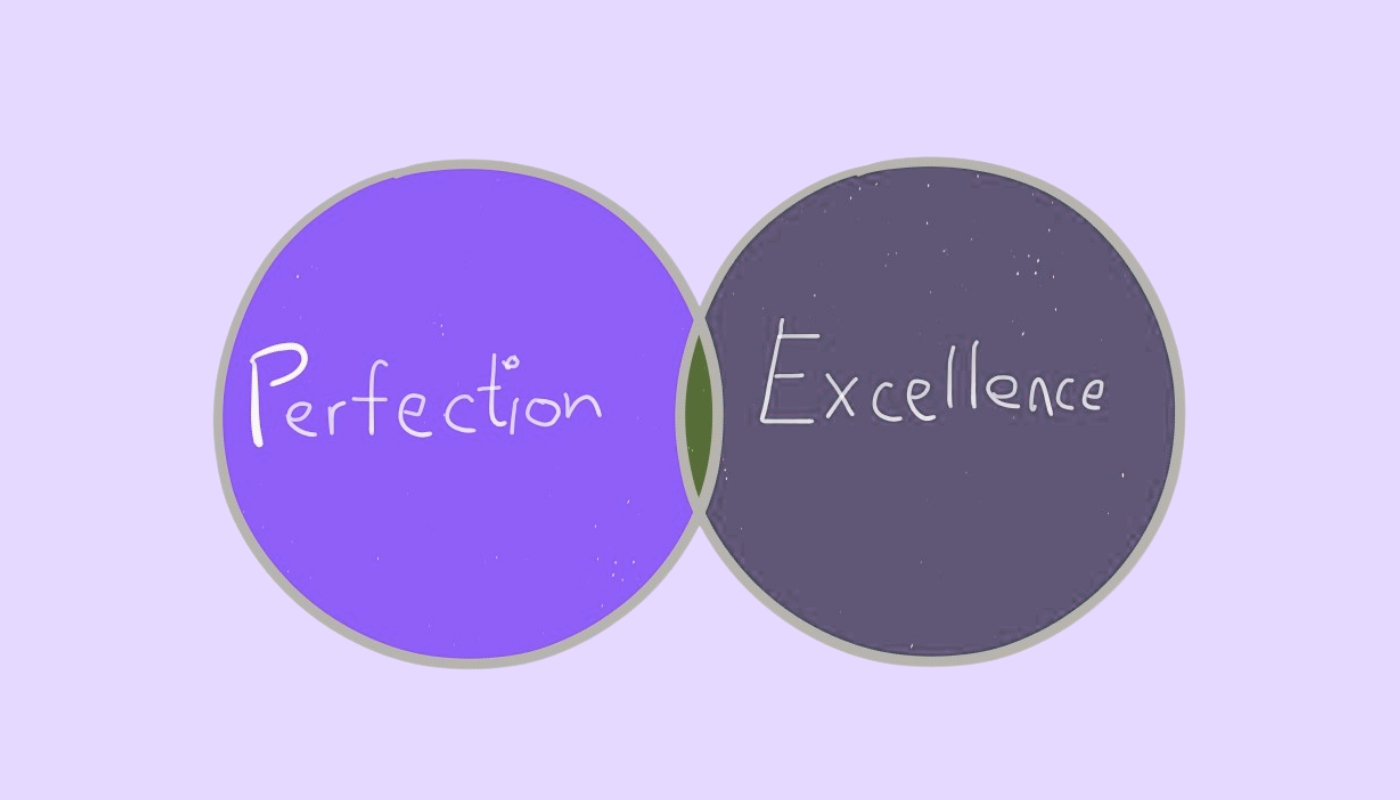
Perfectionism vs Excellence: Key difference and Truths That Will Change How You Work
Perfectionism vs Excellence: What’s the Difference? Discover the psychological differences, productivity impact, and how to shift from toxic perfectionism to healthy excellence.
At first glance, perfectionism and excellence seem similar.
Both involve high standards.
Both value quality.
Both strive for improvement.
But here’s the truth:
Perfectionism vs Excellence: What’s the Difference?One leads to growth. The other leads to burnout.
Let’s explore the critical distinction.
Perfectionism is the belief that mistakes equal failure — and failure equals personal worthlessness.
Perfectionism says:
“If it’s not flawless, it’s a failure.”
It often includes:
- Fear of criticism
- Procrastination due to fear
- Overworking
- Harsh self-judgment
- Difficulty finishing projects
Perfectionism is driven by fear — not passion.
Excellence is striving for high quality while accepting that mistakes are part of growth.
Excellence says:
“I’ll do my best and improve over time.”
It includes:
- Learning from feedback
- Healthy ambition
- Flexibility
- Realistic standards
- Satisfaction in progress
Excellence is driven by purpose — not fear.
Perfectionism:
- Fear-based
- Avoids mistakes
- All-or-nothing thinking
- Self-worth tied to results
- Leads to burnout
Excellence:
- Growth-based
- Learns from mistakes
- Flexible thinking
- Self-worth independent of outcomes
- Leads to mastery
Breaking people-pleasing habits isn’t about becoming selfish. It’s about becoming balanced.
Perfectionism creates:
- Chronic stress
- Anxiety
- Overworking
- Delayed action
- Imposter syndrome
Ironically, perfectionists often achieve less because fear blocks action.
- Replace “perfect” with “progress.”
- Set realistic deadlines.
- Celebrate small wins.
- Separate identity from performance.
- Allow mistakes to teach you.
Excellence builds confidence.
Perfectionism builds pressure.
Understanding Perfectionism vs Excellence: What’s the Difference? can transform how you approach work and life.
You don’t need to be flawless to be valuable.
You don’t need perfection to create impact.
Growth beats perfection — every time.